
Feeding Dog Mat Guide for Cleaner Mealtimes at Home
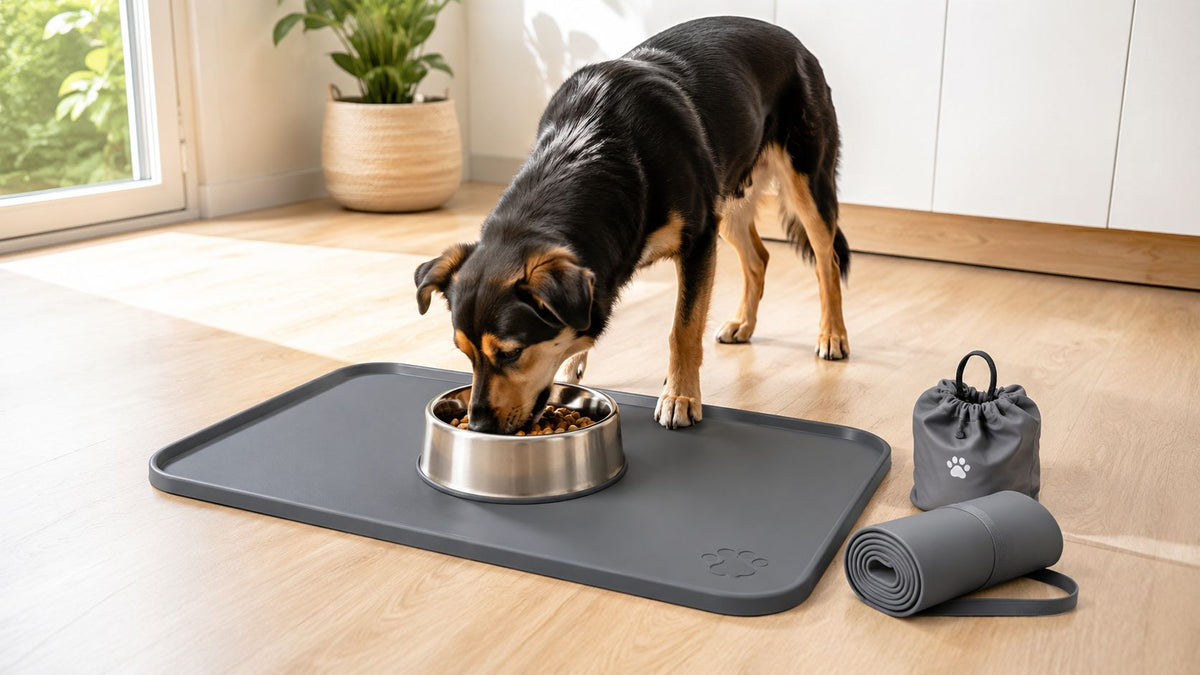
You've just filled your dog's bowl in a holiday rental, caravan or kitchen corner. Before the meal is over, the bowl has nudged across the floor, water has spread beyond the feeding area, and a few pieces of kibble are hiding under the cabinet. A feeding dog mat won't replace good cleaning habits, but it can give the whole station a defined, washable landing zone.
Australia has a substantial dog-owning audience for this simple accessory. The 2022 Animal Medicines Australia pet survey measured pet ownership at 61% of households, with around 5 million dogs and 4.9 million cats nationally. Australian retail listings also show feeding mats as an established category, including silicone, waterproof and non-slip designs in sizes around 40 x 30 cm to 47 x 30 cm. Browse Australian feeding-mat listings to see the range of formats available.
Table of Contents
- Introduction to Feeding Mats for Everyday Calm
- What a Feeding Dog Mat Actually Does
- Materials and Features That Matter Most
- Choosing a Portable Mat for Travel and Stays Away
- Cleaning and Hygiene Tips for Home and Away
- Making the Right Choice for Your Dog and Home
Introduction to Feeding Mats for Everyday Calm
A feeding mat is easy to overlook until you're managing a slippery bowl on polished flooring or trying to protect the floor of a pet-friendly cabin. It sits beneath the food and water bowls, creating a surface that catches crumbs, splashes and small spills before they spread into grout lines, timber grain or carpet fibres.
The useful question isn't whether a mat looks neat. It's whether it suits your dog's eating style, your flooring and the places where you feed. A calm, compact eater may only need a flat wipe-clean placemat. A dog that pushes bowls around or splashes water needs more surface area, stronger grip and an edge that can contain liquid.
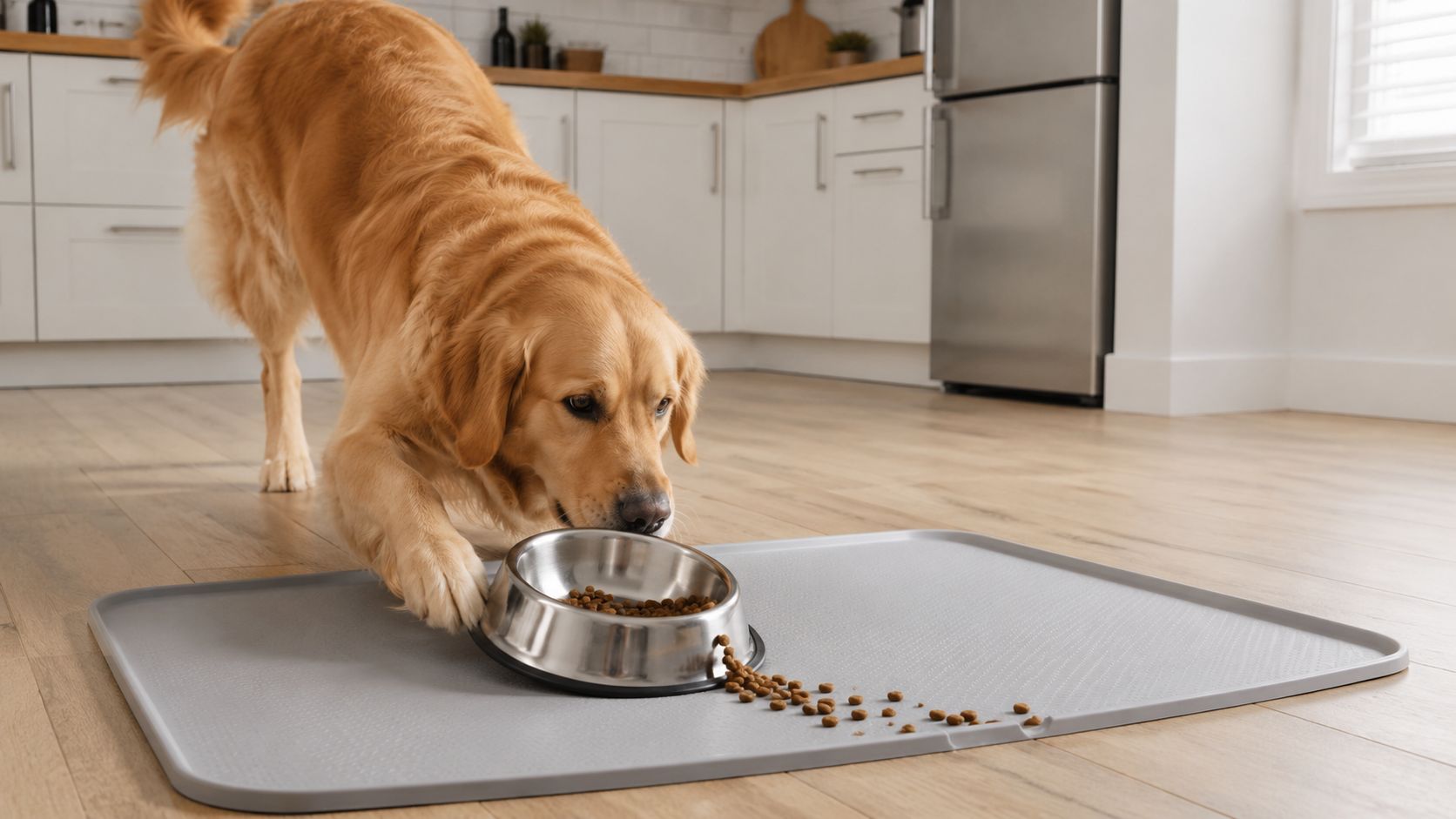
At home, the mat helps define the feeding station. Away from home, it can protect a rental floor, caravan interior or campsite setup from a meal that becomes untidy. It also helps you notice what needs cleaning, because food and water remain in one visible area rather than disappearing across the room.
Fur & Far's travel-focused range includes at-home care and journey equipment, so the same practical thinking applies here: choose the item according to where your dog will use it. A LickWell Lick Mat Insert is a different tool, designed to sit in StayPut bowls for smeared or frozen enrichment, while a feeding mat belongs under the station itself.
This guide moves from purpose to materials, portability and hygiene. By the end, you'll know which features matter, which differences are mostly cosmetic and how to keep the feeding area cleaner at home and on the road.
What a Feeding Dog Mat Actually Does
Think of a feeding mat as a placemat with a shallow tray edge. A normal placemat marks the spot for a plate. A feeding mat does that job for bowls, while also helping contain the mess that comes with drinking, wet food and enthusiastic eating.
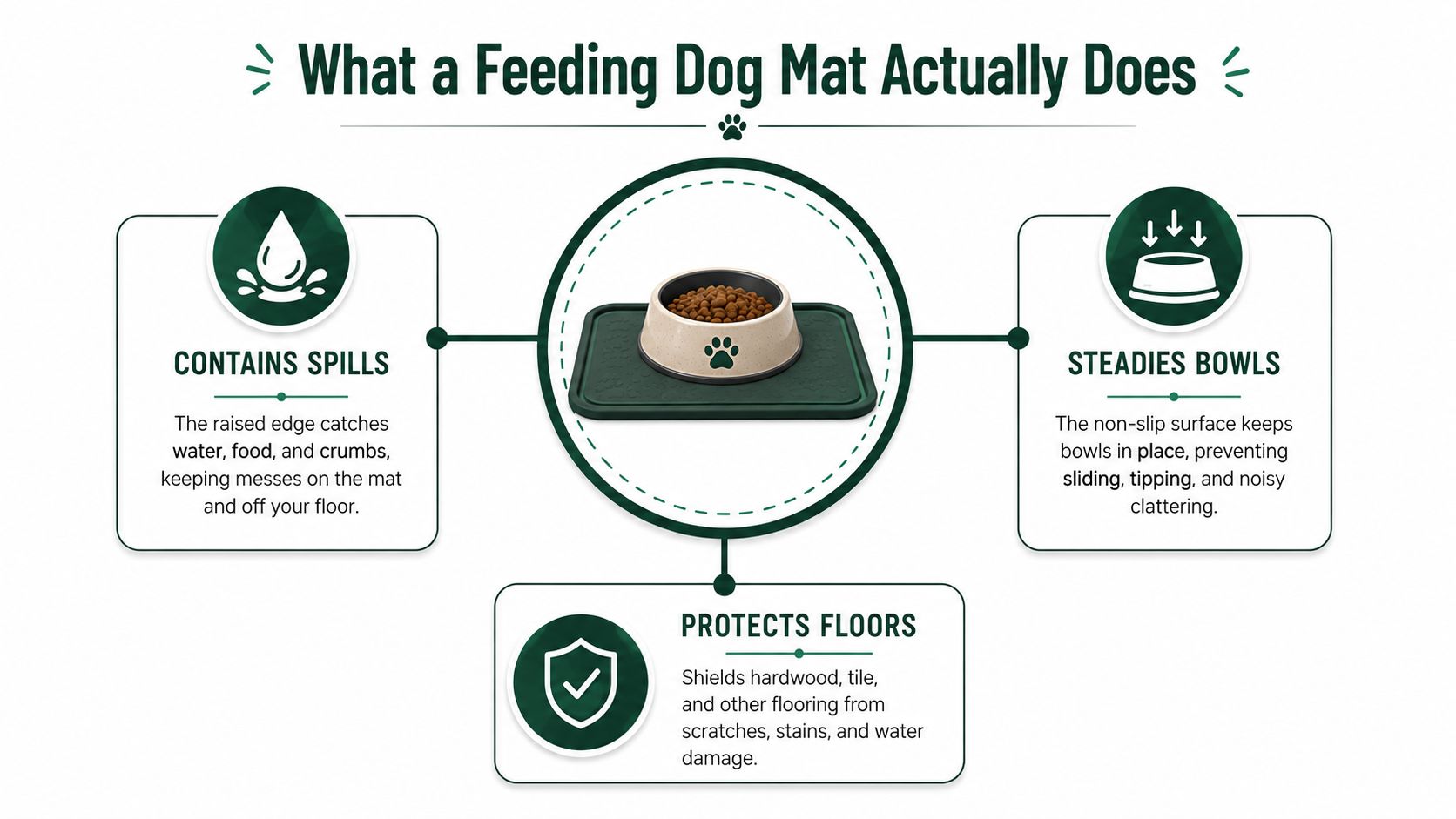
Three functions matter most:
- Contains spills: A raised lip catches water, loose kibble and food residue before they travel across the floor.
- Steadies bowls: A non-slip surface helps reduce sliding when a dog pushes into a bowl.
- Protects floors: A non-porous barrier keeps moisture and food from sitting directly on timber, tile, vinyl or other flooring.
The edge and the surface need to work together. A lip that's too shallow may not contain a lively drinker's splashes, while a generous lip won't help much if the mat is too small for the bowls. Measure the combined bowl footprint, then allow visible space around it for bowl movement and water displacement.
A feeding mat isn't the same as a lick mat. A lick mat provides textured grooves for spreading soft food and encouraging licking. It's part of enrichment or slow feeding, not a floor-protection layer. A boot mat serves another purpose again, protecting a vehicle's cargo area from mud, hair and wet paws. It shouldn't be treated as a substitute for a washable feeding surface unless its material and design are suitable for bowls and food spills.
The key idea: A feeding dog mat is a containment system, not decoration. Its value comes from keeping the feeding mess together and making that mess easier to remove.
A flat silicone placemat can be suitable for a tidy home station. For an excitable or larger dog, prioritise enough surface area to catch bowl displacement, a reliable grip and a raised perimeter. The WaveFeed Placemat, Silicone Pet Bowl Placemat is described as a home silicone placemat in Mint, Rose Quartz and Sky, and it isn't a travel mat.
Materials and Features That Matter Most
A mat's material sets the baseline, while its construction determines how well it manages real meals. In an Australian home, that means considering water bowls, tiled floors, warm weather, damp outdoor areas and the time available for cleaning. A product labelled waterproof, non-slip, silicone, washable or easy wipe may perform well in one setting and poorly in another.
Silicone
Silicone works well for indoor feeding stations because it is non-porous, washable and simple to wipe. It suits kitchens, laundries and tiled areas where water spills are common. A flat surface helps bowls remain steady, while a grippy underside stops the mat sliding as a dog eats.
Check the edge construction as carefully as the main surface. A raised, sealed rim can hold small spills, but stitched or poorly joined edges may give liquid a place to collect. For outdoor use or humid conditions, a mat that dries quickly is easier to keep fresh than one with folds or seams that stay damp.
Fabric and PVC-coated options
Fabric mats feel soft and often pack easily, but absorbent material needs closer attention beside a water bowl. Moisture held against the floor can leave a damp patch. Fabric may suit a dry-food station with limited splashing, provided the mat can be washed and dried fully.
PVC-coated Oxford-style mats offer a flexible option for practical use. The coated face can resist water and wipe more readily than ordinary fabric, while the textile backing keeps the mat light. Inspect the seams, corners and coating for wear, especially after outdoor use. Heat and strong sun can affect some materials, so store the mat out of direct heat when possible.
Features worth checking
Waterproofing matters under water bowls and wet food. Anti-slip backing helps on smooth floors, while a raised lip gives spilled water somewhere to collect. Edge sealing, bowl stability and resistance to repeated washing also affect hygiene. The mat should be easy to lift, rinse and dry as part of the feeding routine, not treated as a permanent floor covering.
Retail examples commonly range from 40 x 30 cm to 47 x 30 cm in local feeding-mat listings. Use those dimensions for comparison only. Bowl size, spacing and your dog's movement should guide the final choice.
| Material | Waterproofing | Anti Slip | Cleaning Effort |
|---|---|---|---|
| Silicone | Strong when the surface is intact | Usually good, depending on backing and floor | Low, wipe or wash |
| Fabric | Varies, often limited around water | Varies by underside | Higher, needs washing and full drying |
| PVC-coated Oxford | Good on the coated face | Varies by backing | Moderate, wipe and inspect seams |
For a home-focused silicone option, the WaveFeed Placemat, Silicone Pet Bowl Placemat is listed in three colours and pairs with StayPut bowls. Colour can help with visibility, but construction and cleaning fit the home's routine better.
Choosing a Portable Mat for Travel and Stays Away
A feeding stop beside a caravan, in a cabin or at a roadside rest area needs more than floor protection. The mat becomes part of a small hygiene system: where you place the bowls, how quickly you clear food and how you handle the mat before the next meal.
At home, appearance and a generous footprint may matter most. Away from home, packability and fast cleaning move higher on the list. A suitable feeding dog mat rolls or lies flat, fits the available storage space and can be wiped after water, gravy or mud reaches the surface.
Match the mat to the journey
For a day trip, carry a compact mat with the food container and bowls. It suits a short feeding stop where the dog eats calmly and the bowls can stay in one contained indoor or sheltered area.
A weekend caravan or cabin stay needs a little more room. Choose a mat that can be stored with the feeding gear, used on a hard floor or laundry area, then rinsed and dried before packing again. If meals may happen outside, keep a second clean location in mind, such as a shaded, low-dust area away from vehicle traffic.
For a multi-week road trip, drying and storage deserve extra attention. Pack a spare cloth or towel, and use a boot liner or washable tray to hold the mat after a rinse. A damp mat sealed in a bag or left against other gear can stay wet long enough to develop mould. Let it dry fully before rolling it for the next drive.
A boot mat belongs in the vehicle's cargo area, protecting the floor from paws, hair and travel dirt. It is not automatically suitable beneath food and water bowls. Fur & Far's BootGuard Cargo Mat is an example of a car-boot product. A feeding mat should instead suit bowl stability, food-contact cleanup and spill containment.
Outdoor feeding needs its own placement routine. Select a shaded, clean area, keep food covered until serving and clear leftovers promptly. Bring the bowls and mat inside when dust, flies or changing weather make the spot harder to control. On indoor floors, place the station away from heavily trafficked or damp areas, then store the cleaned mat with the feeding equipment.
Cleaning and Hygiene Tips for Home and Away
A dog may finish eating, yet the hygiene routine continues. Bowls, hands, nearby flooring and the feeding location all affect cleanliness, whether the station sits in an Australian kitchen, laundry or campsite. The Companion-Animal Zoonoses Guidelines recommends practical controls such as hand hygiene, prompt cleanup and care around contaminated surfaces.
Start with placement
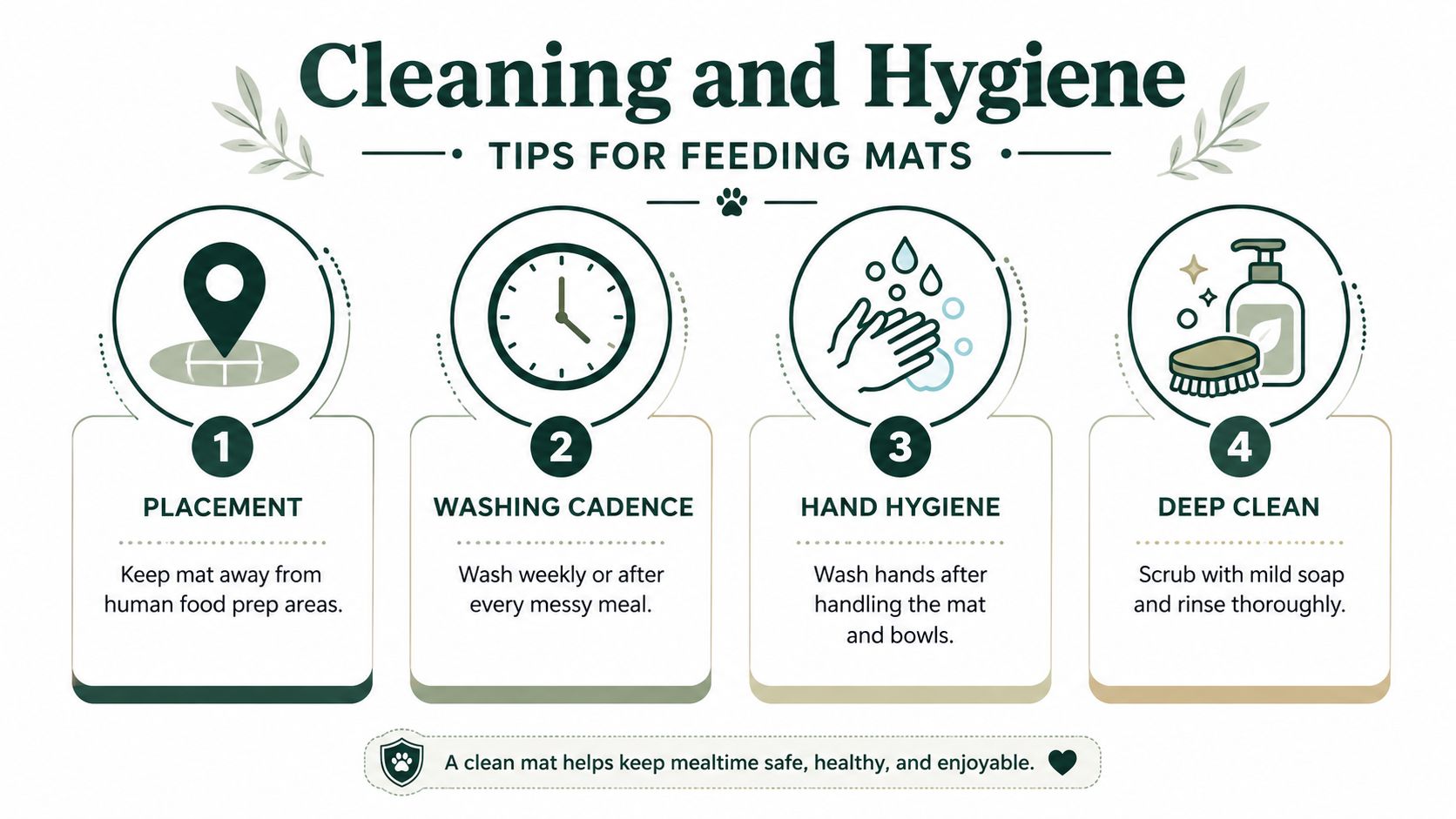
Choose a feeding spot separate from human food preparation where possible. A laundry corner, utility area or clearly defined kitchen zone is easier to clean than a position beside chopping boards or ready-to-eat food.
A mat can help keep crumbs and splashes within one workable area, while the floor around it still needs attention. Sweep or wipe escaped food, and remove leftover wet food promptly rather than leaving it exposed.
Use a repeatable washing routine
Feeding hygiene can be inconsistent. In the survey discussed in this study of dog-owner feeding practices, 34% of surveyed dog owners reported washing their hands after feeding, 43% stored dog food within 5 feet of human food, and 50% washed the food dish with soap and hot water after each use.
Use the findings as a reminder to manage the whole station, not only the visible mat. Wash bowls with soap and hot water when suitable for their material. Clean the mat after visible residue, pooled water or a particularly messy meal. A reusable mat needs regular washing, rather than an occasional dry wipe. Follow the relevant product care guide for material-specific instructions, including drying and storage.
Adjust outdoor habits
Patios, balconies and campsites expose food and feeding surfaces to heat, flies, dust and changing conditions. A mat beneath a bowl does not prevent insects from reaching exposed food or make a dirty surface clean.
Keep the routine simple: choose a clean location, serve fresh food, remove leftovers promptly, wash the bowls and mat, then wash your hands after handling them.
If the weather is hot or windy, or the surface is visibly dirty, feed indoors where practical. At a campsite, set the mat on a clean, stable surface rather than bare soil. After use, wipe or wash it before packing it with clean food containers. This small separation keeps the travel kit organised and makes the mat ready for the next meal.
Making the Right Choice for Your Dog and Home
The right feeding dog mat comes from matching three things: your dog's behaviour, your floor and your routine. A small, tidy eater on a laundry tile may need a different setup from a dog that drives a water bowl across polished timber.
Use this chooser:
- Your dog pushes bowls: Prioritise a grippy underside and enough weight or structure to keep the mat stable.
- Your dog splashes or spills: Choose a waterproof surface, a raised lip and more coverage around the bowls.
- You feed wet food: Select a non-porous material that can be washed without retaining odour or moisture.
- You travel often: Choose a lightweight mat that rolls flat and wipes clean at a campsite, caravan or rental.
- You feed near family food preparation: Move the station where possible, then maintain separate cleaning tools and a clear washing routine.
Don't assume the largest mat is automatically the best choice. It needs to fit the available floor area, sit flat and leave enough room for your dog to approach without catching paws on a curled edge. Measure the bowls together, observe how far they move during a normal meal and choose coverage around that real behaviour.
At home, a silicone or other non-porous mat can make daily maintenance straightforward. Away, portability may matter more than a decorative finish. In both settings, the most useful mat is the one you'll clean, store and take out when your dog needs it.
Fur & Far organises pet travel gear and at-home care essentials around everyday outings, road trips, weekend stays and other journeys. Explore Fur & Far to compare travel-ready pet accessories and home feeding essentials, then choose a mat that supports cleaner meals wherever your dog eats.
Enhanced by Outrank