
Is Expensive Pet Gear Worth It? A Practical Guide
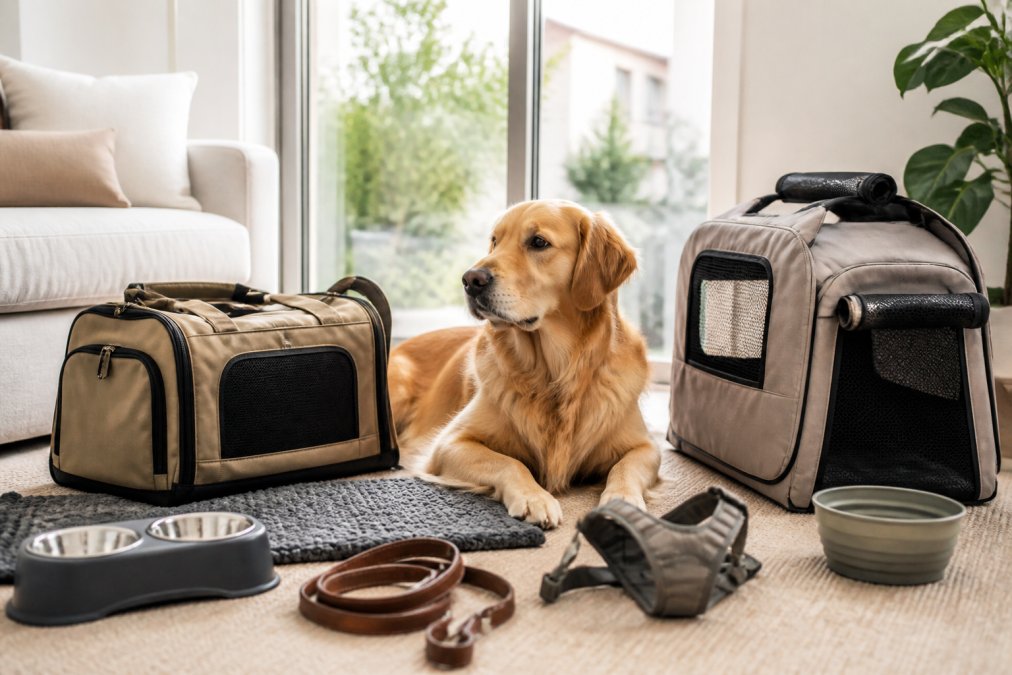
Table of Contents
- What Makes Expensive Pet Gear Different
- Material Quality and Product Longevity
- Best Pet Carriers for Flights: Safety and Compliance
- Pet Travel Insurance Importance and Hidden Costs
- Cost of Pet Ownership in Australia: Budget vs Premium
- When Premium Gear Pays for Itself
- Where to Save and Where to Invest
- Frequently Asked Questions
Last Updated: September 18, 2026
What Makes Expensive Pet Gear Different
Premium pet gear costs significantly more than budget alternatives, a basic carrier runs $40 versus $125 or more. But expensive pet gear isn't just prettier packaging; it's engineered differently in materials, construction, and real-world performance.
The core difference between expensive pet gear and budget alternatives is material selection, construction, and performance. A $30 carrier holds your pet safely on a short trip; a $125 carrier protects your car interior, survives multiple journeys, and can reduce stress through better ventilation and visibility.
The key is determining which pieces deserve investment and which don't. Some premium products pay for themselves through durability; others offer marginal improvements that don't justify the cost for casual users.
Material Quality and Product Longevity
Budget pet gear uses thin plastic, flimsy zips, and synthetic fabrics that degrade quickly. Premium options invest in reinforced frames, heavy-duty hardware, and materials engineered for repeated use.
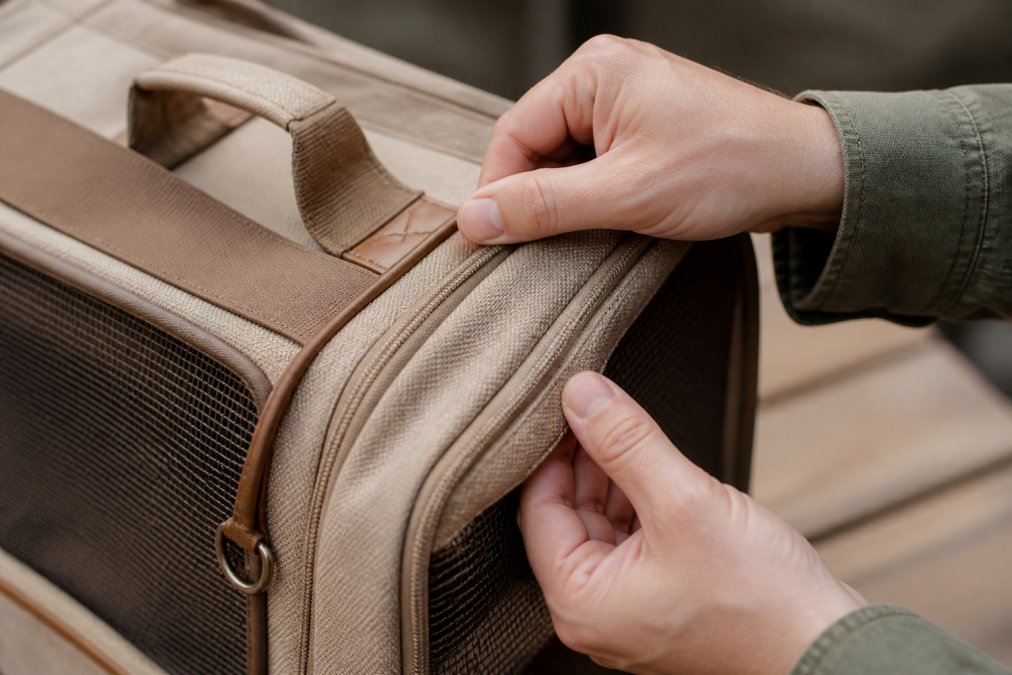
A cheap seat cover uses lightweight nylon that tears after months of use. A quality seat cover uses Oxford cloth or reinforced fabric with a hard base and machine-washable covers that handle a 70-pound dog without sagging. The Fur & Far HardBench Seat Cover at $101.00 features a hard-bottom design with waterproof, machine-washable cover, essential for regular pet transport.
If a $40 carrier lasts six months but a $125 carrier lasts four years, the expensive option costs less per journey. Spread across hundreds of trips, expensive pet gear becomes economical.
Material quality affects your pet's experience: better ventilation can reduce anxiety, reinforced harnesses distribute pressure evenly, and padded surfaces provide comfort. These are functional improvements that can reduce stress.
Best Pet Carriers for Flights: Safety and Compliance
Airline-approved carriers are required for flying with pets, but not all carriers meet airline specifications.
Airlines typically require carriers around 55 cm × 40 cm × 23 cm. The Fur & Far RollCabin Soft Carrier measures approximately 60 × 40 × 35 cm with wheels and carry options. The Hard-Shell Carrier at $125.00 includes a clear viewing panel, wheels, and telescopic handle, practical for busy airports.

Before purchasing any carrier for flights, check your specific airline's requirements. Before purchasing any carrier for flights, check your specific airline's requirements.
Safety-to-Price Ratio: When Expensive Equals Safer
Hard-shell carriers offer structural integrity. During baggage handling and turbulence, a hard-shell can absorb impact and prevent crushing, while soft carriers may compress under weight. This is a safety mechanism, not a comfort difference.
Look for these safety features when evaluating carrier cost:
Structural protection: Hard-shell carriers with reinforced corners cost more due to materials and manufacturing. A $125 hard-shell with proper ventilation holes and solid base can protect your pet during worst-case scenarios.
Ventilation design: Premium carriers feature multiple ventilation panels for cross-flow, which can reduce stress-related panting and overheating during flights.
Secure latching mechanisms: Quality carriers use multi-point locking systems with reinforced hinges, which can prevent accidental opening during transport.
Visibility and stress reduction: Carriers with clear panels allow your pet to see their surroundings, which can reduce anxiety and injury risk from escape attempts.
Depreciation and Resale Value
Quality carriers can hold resale value. This hidden benefit can make premium carriers more cost-effective over time.
Pet Travel Insurance Importance and Hidden Costs
Pet travel insurance can protect against scenarios most owners don't anticipate: overseas vet emergencies, quarantine costs, and unexpected boarding expenses.
Standard pet insurance often doesn't cover travel. Travel-specific policies can cover emergency vet care abroad, quarantine costs, and pet repatriation. The cost can be modest compared to potential expenses.
International pet travel may require health certificates, microchipping, and sometimes blood tests. Quarantine periods can run weeks or months. Budget for these upfront rather than discovering them at the airport.
The Hidden Maintenance Costs of Premium Pet Gear
Cleaning and care requirements: Replacement covers can cost $30-$50. Over five years, replacing a cover twice can add $60-$100 to total cost of ownership.
FoldDash Pet Stroller – One-Touch →
Replacement parts and repairs: Premium hardware rarely fails.
Calculating True Cost of Ownership
Calculate full lifecycle cost: Initial cost + (Annual maintenance × Years) + Replacement parts − Resale value = True cost per year. A $125 hard-shell carrier with $40 replacement cover every three years, used five years, then sold for $50 costs $33.60/year. A $40 soft carrier replaced every two years costs $24/year. For frequent travellers using the carrier 50 times yearly, the premium carrier costs $0.67 per use versus $0.48 for budget, a negligible $0.19 difference compared to safety benefits.
Better carriers reduce injury risk during transport, lowering the likelihood of emergency vet care. Proper restraints lower accident risk. Since a single overseas emergency vet visit can be costly, premium carrier investment can become economically rational.
Cost of Pet Ownership in Australia: Budget vs Premium
Annual pet ownership costs vary dramatically. Budget care can cost around $2,000 yearly; premium food, preventative care, quality gear, and insurance can run $4,000 or more.
Food quality can affect health outcomes and future vet bills. Preventative care can prevent expensive emergencies. Quality gear can reduce injury risk. Travel insurance can protect against catastrophic costs.
For frequent travellers, quality carriers and travel gear become essential investments. A $220 FoldDash Pet Stroller with one-touch aluminium frame pays for itself through durability and convenience with weekly use.

The premium versus budget choice depends on actual usage. Urban owners needing gear for vet visits and short walks can use mid-range options. Active owners planning regular travel benefit more from premium gear.
When Premium Gear Pays for Itself
Premium expensive pet gear justifies its cost when flying with your pet multiple times yearly. Cost per trip becomes minimal when spread across frequent journeys.
For dogs with anxiety or special needs, premium gear can deliver measurable improvements. Better ventilation and visibility can reduce stress. Well-designed harnesses distribute pressure evenly and can prevent escape.
If you own your pet for ten years and take regular trips, a $125 carrier lasting the entire time can cost less than replacing a $40 carrier every two years.
Where to Save and Where to Invest
Not every piece of pet gear deserves a premium price tag. Some categories benefit from budget options; others don't.
Invest premium dollars in carriers, restraints, harnesses, collars, seat covers, and travel insurance. Save on toys, food bowls, grooming supplies, and bedding.
The GlowTrail LED Dog Harness at $65.00 offers genuine safety value for dusk and dawn walks. The Tactical Dog Harness and Collar IronWalk set at $95.00 includes four pieces for stronger everyday walks, a category where durability and fit matter.

The HardBench Seat Cover at $101.00 and CalmBench Car Hammock at $85.00 serve different needs. HardBench suits heavy dogs; CalmBench offers lighter weight with mesh visibility. Both can protect your vehicle and keep your pet secure.
The StayFed Autofeeder at $85.00 makes sense if you travel and need timed meals. For pets that stay home, a basic bowl costs far less. Match expensive pet gear to actual lifestyle, not aspirational use.
Expensive pet gear makes sense when it solves a real problem you actually face. If you travel frequently with your pet, invest in quality carriers, restraints, and travel insurance, these can directly affect safety and your pet's wellbeing. If you drive regularly with your dog, a proper seat cover can protect both your vehicle and your pet. But if you're a casual user buying gear for occasional trips, mid-range options often deliver the functionality you need without the premium price. The key is matching the gear to your actual usage pattern, not buying premium versions of everything. Start with Fur & Far's curated collection of travel essentials designed for real journeys, and you'll find the pieces that genuinely matter for your pet's comfort and safety.
Frequently Asked Questions
What features justify a higher price point in pet travel gear?
Premium pet gear typically offers reinforced stitching, higher-grade materials that resist wear, ergonomic design that reduces stress on both pet and owner, and compliance certifications for air travel. For example, hard-shell carriers with clear viewing panels cost more but provide visibility, ventilation, and durability that cheaper alternatives lack. Wheeled carriers like the RollCabin Soft Carrier ($133) include handheld and cross-body options, making airport navigation easier, a feature that justifies the premium over basic soft carriers.
Is it better to buy cheap gear and replace it often or invest once in expensive pet gear?
Investing once typically costs less over time. Cheap gear often fails within 6-12 months, forcing repeat purchases. Premium gear with quality materials lasts 3-5 years or longer, spreading the cost across more journeys and trips. The long-term value compounds, especially for active pet owners.
How does material durability impact the long-term cost of pet ownership in Australia?
Durable materials reduce replacement cycles and unexpected repair costs. A waterproof, machine-washable seat cover ($101) handles years of camping trips and daily commutes without degradation, whereas cheaper covers tear or lose water resistance within months. Over five years of regular use, one premium cover costs less than buying three budget alternatives. Durability can also prevent damage to your vehicle and can reduce stress-related vet visits caused by unstable gear during travel.
What should I look for when evaluating whether premium pet gear is worth the investment?
Assess your pet's lifestyle first: frequent flyers need airline-approved carriers; active campers need waterproof, durable materials; city commuters need lightweight, washable gear. Check material specifications (aluminium frames, Oxford cloth, anti-skid surfaces), warranty coverage, and whether the gear solves a real problem your pet has (anxiety in carriers, difficulty entering vehicles). Compare the cost per use over expected lifespan. Products like the RampStep Car Ramp ($248.39) make sense if your dog struggles with vehicle entry; they're unnecessary if your pet jumps in easily.