
How to Pack for Pet Travel: A 2026 Checklist
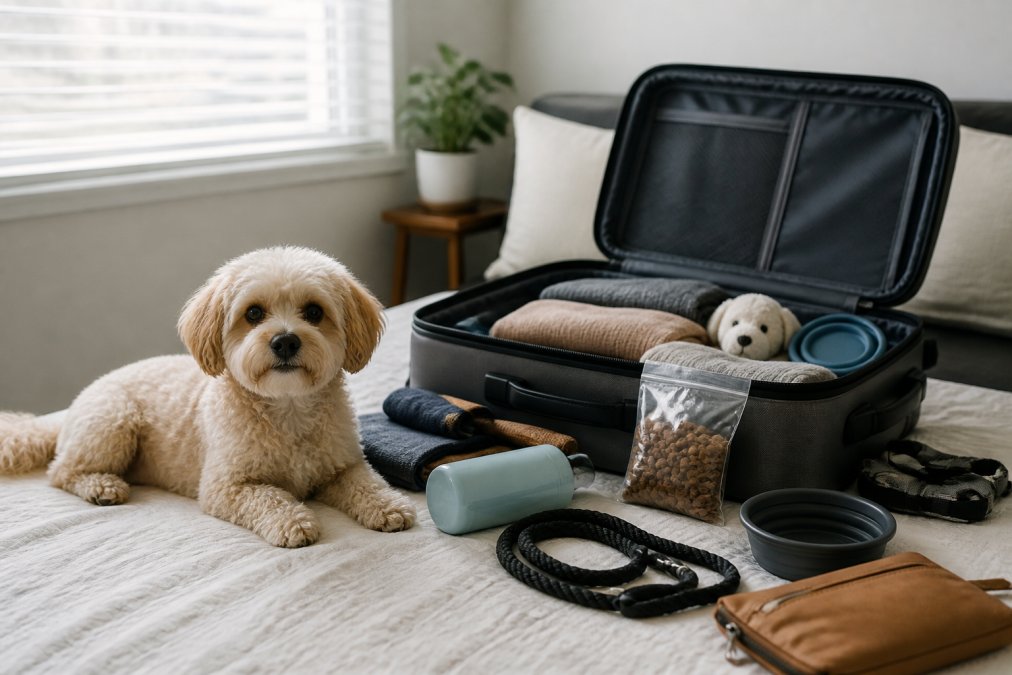
Table of Contents
- Start With the Right Carrier or Travel Crate
- Dog Car Travel Essentials: Restraint and Safety Gear
- Food, Water, and Collapsible Bowls for the Road
- Comfort Items: Familiar Bedding and Calming Aids
- Pet Travel Safety Tips: Documents, ID, and First Aid
- How to Prepare a Dog for a Long Road Trip
- Hygiene, Waste Management, and Climate-Specific Gear
- Final Packing Checklist and Pre-Departure Routine
- Frequently Asked Questions
Last Updated: September 7, 2026
Packing for pet travel is the process of organising every essential your companion needs for a safe, comfortable, and stress-free journey, from carriers and documentation to food and first-aid supplies. Getting it right is the difference between a smooth trip and an emergency at the roadside. Packing for pet travel requires planning for the dog you have, not the one you wish you had.
Start With the Right Carrier or Travel Crate
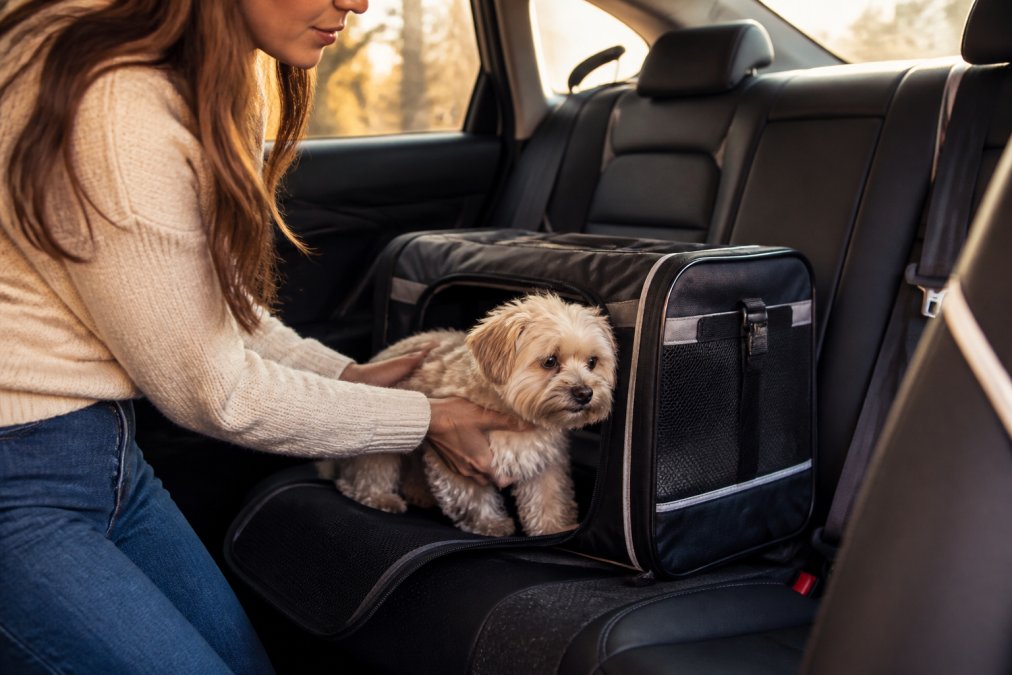
Your carrier is the single most important item on any pet travel checklist, because it doubles as your pet's safe zone in transit and at accommodation. A soft-sided, airline-approved carrier with good ventilation and an expandable panel gives your pet room to stand and turn without adding bulk to your luggage.

Measure your pet while standing, then add a few centimetres of clearance on every side. The carrier should feel snug, not tight, because a space that is too large increases anxiety during transit. Look for reflective trim for dim car parks and easy-clean fabrics that survive accidents.
Dog Car Travel Essentials: Restraint and Safety Gear
Dog car travel essentials go beyond a simple leash, because an unrestrained pet is a danger to themselves and everyone in the vehicle. A crash-tested seat belt harness or a secured travel crate is the minimum standard for road trips.
For larger breeds, a hammock-style back seat cover protects upholstery while giving your dog a stable, non-slip surface. The important distinction: a hammock is comfort and cleanliness gear, not a restraint. Pair it with a proper tether that clips into the seat belt anchor point to keep your dog secure during sudden stops.
Food, Water, and Collapsible Bowls for the Road
Collapsible bowls are the backbone of pet travel packing because they fold flat yet provide full meals and hydration on demand. Pack two separate bowls, one for food and one for water, and rinse them after every meal to prevent bacterial build-up in warm weather.
Carry more water than you think you need, plus your pet's regular food in an airtight container. A sudden change in diet is a common cause of travel-related stomach upset, so portion out the same brand they eat at home. For long drives, offer small amounts of water at each rest stop rather than letting them gulp a full bowl before getting back in the car.
Comfort Items: Familiar Bedding and Calming Aids
Travel stress in pets often stems from unfamiliar smells and surfaces, which is why familiar bedding is one of the most effective calming tools you can pack. A portable, washable travel bed that carries your pet's own scent provides a consistent anchor point whether you are in a car, a tent, or a hotel room.
Many owners also find success with calming pheromone sprays or wipes applied to the bedding before departure. These products mimic natural appeasing scents and can noticeably reduce whining and restlessness in anxious travellers. Introduce any calming aid at home a week before the trip so it is not a new sensation on travel day.
Pet Travel Safety Tips: Documents, ID, and First Aid
Pet travel safety tips always begin with identification and paperwork, because these are the items you cannot improvise on the road. Pack your pet's microchip number, up-to-date ID tags, and a printed copy of their vaccination record, especially the rabies vaccination record required for many crossings.
A travel first-aid kit should include bandages, antiseptic wipes, tweezers, and any prescription medication your pet takes daily. Keep a list of emergency contact information, including your regular vet and a vet clinic at your destination. For international travel, research entry requirements well ahead of time, as many destinations demand a health certificate issued within a specific window before departure.
The International Paperwork Deep Dive
Most packing guides stop at 'bring your documents', but the reality of crossing borders with a pet is far more specific. If you are travelling from Australia to another country, the process is governed by the Department of Agriculture, Fisheries and Forestry (DAFF), which sets the rules for both leaving and re-entering the country.
Here is the sequence that matters:
- Microchip first: Your pet must be microchipped with an ISO 11784/11785 compliant 15-digit chip before the rabies vaccination is given. If the vet cannot read the chip at the border, the vaccination may be considered invalid.
- Rabies titre test (for many destinations): If you are heading to a rabies-free country like New Zealand, the UK, or Japan, a rabies neutralising antibody titre test (RNATT) is mandatory. This blood test must be processed at an approved laboratory, and the result must show a level of at least 0.5 IU/mL. The blood sample must be taken at least 30 days after the primary rabies vaccination. This is a lead-time item, allow 4-6 weeks for the result to come back from the lab.
- The health certificate window: The Australian Government's Export Certificate (or the destination country's specific certificate) must be endorsed by a government veterinarian. This endorsement usually has a strict validity window, often 10 days before departure for the EU, or 5 days for New Zealand. You must book this appointment with your vet and the DAFF office well in advance, as they are not same-day services.
- Import permits: Some countries, such as Japan and Singapore, require you to apply for an import permit before your pet even boards the plane. Without the permit number on the health certificate, your pet will not be allowed to check in.
First-Aid: What Vets Actually Recommend
Beyond the standard bandages and antiseptic wipes, a travel-specific kit should include:
- A digital thermometer: A dog's normal temperature is 38.3-39.2°C (msdmanuals.com). If you suspect heatstroke or illness, a rectal reading is the only reliable way to know if you need an emergency vet.
- Vet wrap (cohesive bandage): Unlike standard bandages, vet wrap sticks to itself, not the fur, making it easier to secure a dressing without cutting off circulation.
- A spare dose of anti-diarrhoeal medication: Ask your vet for a safe, species-specific option to carry for mild stomach upset. Travel stress is a common trigger, and having a vet-approved remedy on hand prevents a ruined day.
- Tick twister: If you are travelling to regional or bush areas, a tick twister is more effective than tweezers for removing paralysis ticks, which are a genuine emergency in Australia's eastern coastal belt.
How to Prepare a Dog for a Long Road Trip
To prepare a dog for a long road trip, start with short practice drives that build positive associations with the car. Begin with five-minute trips to somewhere fun, then gradually extend the duration over several weeks so the car becomes a signal for adventure rather than stress.
On the day itself, feed a light meal three to four hours before departure and take a brisk walk to tire your dog out. Schedule rest stops every two to three hours for hydration, toilet breaks, and a chance to stretch. Never leave your dog alone in a parked car, as temperatures inside can climb to dangerous levels within minutes even on mild days (avma.org).
Hygiene, Waste Management, and Climate-Specific Gear
Hygiene supplies are the difference between a pleasant trip and a miserable one, so pack waste bags, absorbent towels, and a small bottle of pet-safe cleaner for accidents. Climate-specific packing matters more than most guides admit: in hot weather, carry a cooling mat and extra water, while cold destinations call for a warm coat or booties to protect paws from ice and rough terrain.
A post-arrival routine helps your pet settle after the journey. Set up their bed, offer water, and take them for a short walk to establish the new environment before you unpack everything else. This small investment of time reduces anxiety and makes the whole trip more enjoyable for both of you.
Packing for Heat: The Australian Summer Reality
Travelling in Australian summer is a different beast from a European road trip. The critical rule is that asphalt and sand can reach surface temperatures of 60°C or more, which can burn paw pads in under a minute (avma.org). If you are heading to the beach or the outback, pack:
- A cooling mat (not just a wet towel): Wet towels heat up quickly and trap heat against the skin. A gel-based or evaporative cooling mat provides active heat relief. Look for one that is pressure-activated and does not require refrigeration.
- A collapsible water bowl with a wide base: In windy coastal conditions, a narrow bowl tips over instantly. A wide, weighted base prevents spills and keeps water available.
- Paw balm: A wax-based balm applied before walks creates a barrier between the pad and hot surfaces. It is a simple, cheap insurance policy.
- A shade structure: If you are at a campsite or beach without natural shade, a pop-up shade tent is essential. Dogs overheat faster than humans because they cannot sweat efficiently; they rely on panting and paw pad sweat glands.
Packing for Cold and Wet: The Alpine and Winter Trip
If your destination is the Snowy Mountains or a Victorian high-country cabin, the packing list flips entirely:
- A waterproof, insulated coat: A dog's core temperature drops quickly in wind and rain. A coat that covers the belly and chest is more effective than a simple back warmer.
- Booties with a grippy sole: Ice balls form between paw pads, causing pain and cracking. Booties also protect against road salt, which is corrosive. The trade-off is that most dogs hate them initially, so fit them at home for short sessions before the trip.
- A high-energy food supplement: In cold weather, dogs burn more calories just to stay warm. Adding a spoonful of a high-fat supplement (like a vet-approved salmon oil) helps maintain energy levels.
- A dry towel and a spare set of bedding: Wet fur leads to rapid chilling. A dedicated 'wet dog' towel kept in the car boot means you can dry them off before they enter the cabin.
The Post-Arrival Routine: Setting Up a Temporary Home
Most guides stop at the destination, but the first hour after arrival determines the quality of the entire stay. The goal is to create a 'safe zone' that mimics the routine at home.
- Set up the bed first: Before you bring in luggage or explore, place their familiar bed in a quiet corner. This signals that this new space is theirs.
- Offer water immediately, but delay food: Offer small amounts of water to rehydrate, but wait at least an hour before a full meal to avoid travel-induced nausea.
- Take a 'sniff walk': A short, slow walk around the immediate area allows your dog to process the new smells. This is not exercise; it is mental mapping. Let them lead and sniff as much as they want.
- Maintain the schedule: Feed and walk at the same times as you do at home. Routine is the most powerful anti-anxiety tool you have.
Final Packing Checklist and Pre-Departure Routine
| Category | Essential Items | Pro Tip |
|---|---|---|
| Carrier & Restraint | Airline-approved carrier, seat belt harness, hammock cover | Verify carrier rules with your airline before flying |
| Food & Hydration | Regular food, bottled water, collapsible bowls | Keep diet identical to home to avoid stomach upset |
| Comfort | Familiar bedding, calming pheromones, favourite toy | Introduce calming aids a week before departure |
| Documents | Microchip record, ID tags, vaccination proof, health certificate | Check certificate validity windows for international trips |
| Health & Safety | First-aid kit, prescription medication, emergency vet contacts | Locate a vet at your destination before you leave |
| Hygiene & Climate | Waste bags, towels, pet-safe cleaner, cooling mat or coat | Pack for the weather at your destination, not departure |
Work through this checklist the night before you leave, not the morning of. Confirm your carrier is clean and ventilated, your ID tags are attached and legible, and your first-aid kit is stocked. A final sweep of the house for anything your pet might need turns a rushed departure into a calm one.
Packing well for pet travel comes down to preparation, not guesswork. Every journey is smoother when you have the right carrier, proper restraint, familiar comforts, and all the documentation in order before you pull out of the driveway. Fur & Far designs gear specifically for this purpose, with airline-ready carriers, waterproof travel beds, and collapsible bowls that pack flat, all backed by free Australian shipping on orders over $150. Shop the road trip essentials collection and make your next adventure with your companion the easiest one yet.
Frequently Asked Questions
What documents should I carry when travelling with a pet?
Carry a copy of your pet's veterinary records, including vaccination history and a current health certificate from your vet. If you're crossing state or international borders, check the entry requirements with the destination's biosecurity authority well in advance; this often involves a specific permit or health certificate issued within a set timeframe before travel. Also pack a recent photo of your pet and your contact details.
What are the essential items to pack when travelling with pets?
The essentials fall into a few categories: an airline-approved carrier or travel crate, a crash-tested restraint or harness for car travel, collapsible bowls for food and water, enough food for the trip plus extra, familiar bedding for comfort, waste bags, and a pet first-aid kit. Don't forget ID tags with your current phone number and a copy of your pet's medical records.
How do I keep my pet safe during long car journeys?
Your pet should be restrained in a crash-tested carrier, crate, or harness that is secured to the vehicle. Never let your pet ride in the front seat where an airbag could cause injury. Plan to stop every two to three hours so your pet can stretch, relieve itself, and drink water. Never leave your pet alone in a parked car, as temperatures can become dangerous quickly.
How can I help my pet settle into a new environment while travelling?
Pack familiar items that carry the scent of home, such as a favourite blanket or bed. Set up your pet's bed in a quiet corner of your accommodation and give it time to explore the new space on its own terms. Keep its feeding and walking schedule as close to its normal routine as possible. Calming aids like pheromone sprays can also help reduce anxiety.